Featured

My Maternal 22nd. Great Scottish Grandfather, Kenneth MacKenneth

Morvern-Lines-Scotland-Glen-Forsa

Morvern-Lines-Scotland-Glen-Forsa

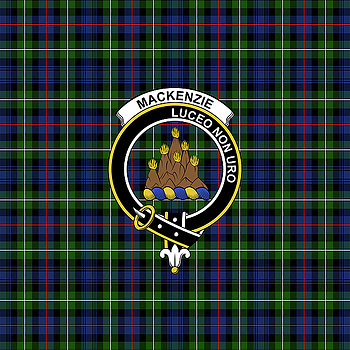
mackenzie-modern-tartan-clan-badge-weekender-tote-bag

mackenzie-modern-tartan-clan-badge-weekender-tote-bag

Kenneth Kintail MacKenneth (MacKenzie)

Gender: Male
Birth: 1150
Iona, Mull, Argyll, Scotland
Death: 1230 (80)
Fettercairn, Kincardineshire, Scotland
Place of Burial: 1230 in Iona Abbey, Iona, Mull, Argyll, Scotland
Immediate Family: Son of Gilleoin Og MacKenneth
Husband of Morna MacDougall
Father of Angus Crom MacKenneth
Added by: Ericka Lehman-Washington on July 11, 2011
Managed by:Source: Ericka Lehman-Washington, Kerry L. Cunningham and Susan Muirgeni.com

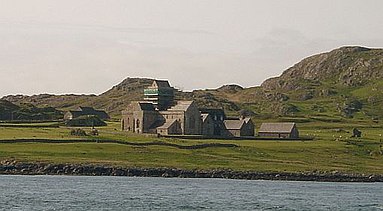
Iona_Abbey_from_water_Scotland

Iona_Abbey_from_water_Scotland

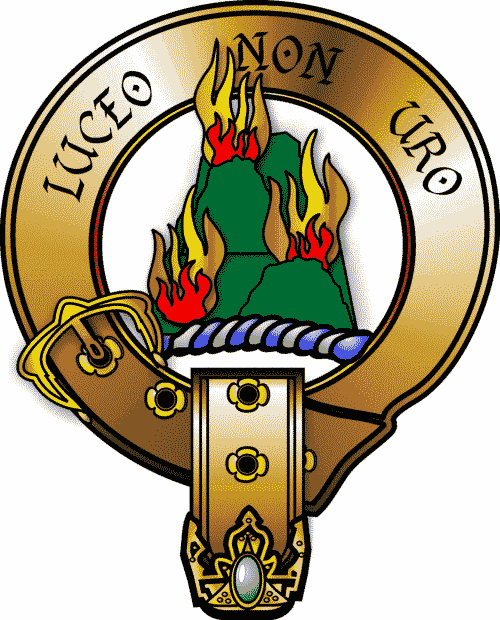
Mackenzie_crest

Motto: Luceo Non Uro – “I Shine, Not Burn”
Badge: A stag’s head.

Septs of the Clan: Charles, Charleson, Clunies, Cromarty, Ivory, Kenneth, Kennethson, MacBeolain, MacConnach, MacIver, MacIvor, MacKenna, MacKerlich, MacMurchie, MacMurchy, MacQuennie, MacVanish, MacVinish, MacWhinnie, Murchie, Murchison, Smart.

History of the Clan
The Clan Kenneth or MacKenzie traditionally believes that it is descended from the Norman family of Fitzgerald which settled in Ireland. This belief is founded on a fragment of the records of Icolmkill, and a charter of the lands of Kintail in Wester Ross, said to have been granted by Alexander III to Colin Fitzgerald, their supposed progenitor.
The ancestor of the clan Kenzie was Gilleonog, or Colin the younger, a son of Gilleon nahair’de, that is, Colin of Aird, progenitor of the Earls of Ross, and from the MS of 1450 their Gaelic descent may be considered established. Colin of Kintail is said to have married a daughter of Walter, lord high steward of Scotland. He died in 1278, and his son, Kenneth, being, in 1304, succeeded by his son, also called Kenneth, with the addition of Mackenneth, the latter, softened into Mackenny or Mackenzie, became the name of the whole clan. Murdoch, or Murcha, the son of Kenneth, received from David II a charter of the lands of Kintail as early as 1362.
At the beginning of the 15th century, the clan Kenzie appears to have been both numerous and powerful, for its chief, Kenneth More, when arrested, in 1427, with his son-in-law, Angus of Moray, and Macmathan, by James I in his parliament at Inverness, was said to be able to muster 2,000 men.
Extensive History at Electric Scotland, including videos.
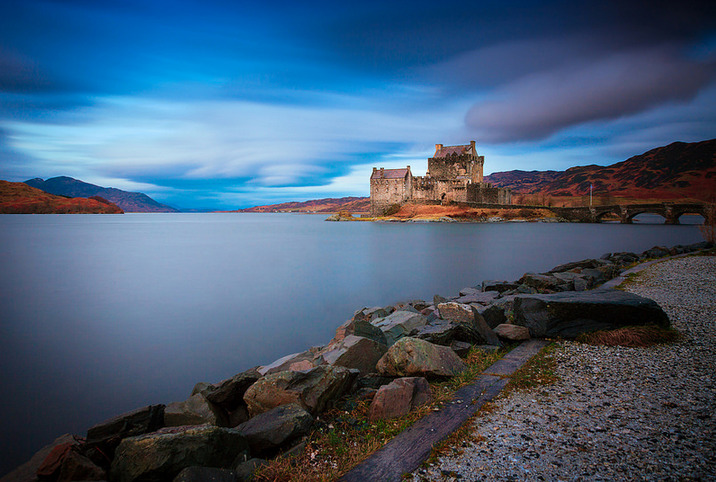
The western stronghold of the clan MacKenzie was at Eilean Donan Castle at the mouth of Loch Duich. During the seventeenth century, the MacKenzies installed the clan MacRae as hereditary constables of the castle, and the MacRaes were to remain fiercely loyal to the family for many centuries.
The MacKenzie clan achieved political eminence between the fifteenth and seventeenth centuries. They were resolute in their loyalty to the Stewart monarchy, and were rewarded for this when they were created Earls of Seaforth. This loyalty is symbolised in the clan motto “Cuidiche an righ” or “the king’s tribute” and also in the appearance of a stag’s head (a feudal gift to a king) in the chief’s coat of arms.
The fourth Earl of Seaforth remained loyal to James VII, and even followed him to Ireland and France, where he died in exile. It was at this time that the famous prophecies of the Brahan Seer foretelling the downfall of the clan as a political force began to unfold.   https://www.geni.com/projects/MacKenzie-Clan/16194

My Maternal 23rd. Great Scottish Grandfather, Gilleoin Og MacKenneth

Morvern-Lines-Scotland-Glen-Forsa

Morvern, Argyll, Scotland

Gilleoin Og MacKenneth 

Gender: Male
Birth: 1120
Scotland
Death: 1200 (80)
Scotland
Place of Burial: Scotland
Immediate Family: Son of Gilleoin Mor MacKenneth
Father of Lord Kenneth Kintail MacKenneth
Added by: Ericka Lehman-Washington on July 11, 2011
Managed by: Ericka Lehman-Washington, Kerry L. Cunningham and Susan Muir
I am Scottish, we don't do this keep calm shit
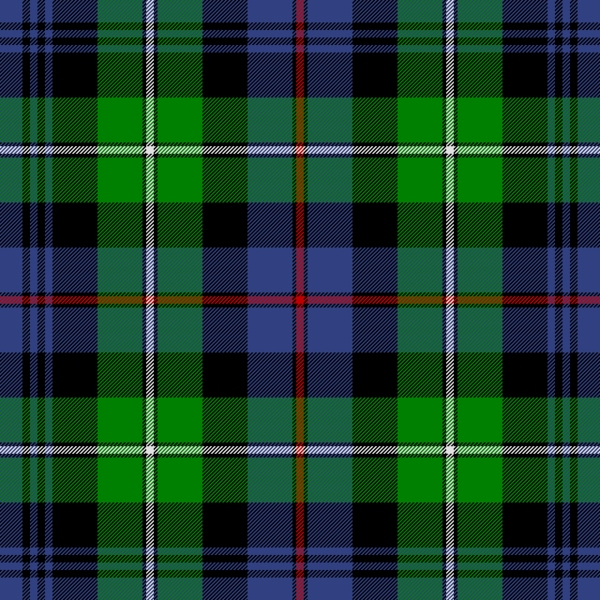
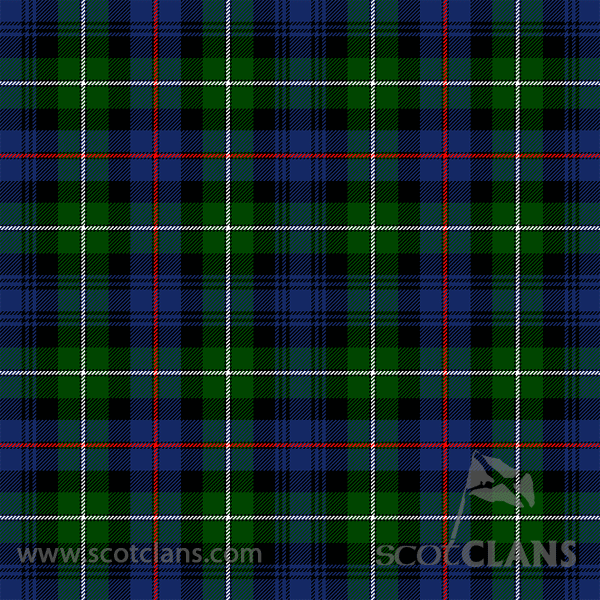
Mackenzie_(and_Seaforth_Highlander)_tartan
MacKenzie (and Seaforth Highlanders) Tartan
mackenzie_scots_clans_tartan

The Clan MacKenzie History by Peter MacKenzie

MacKenzie, or MacCoinneach as it might appear in Gaelic, is taken to mean “son of Kenneth; and the Ross descent suggests that original Kenneth, c.1200, was descended from the (tenth century) Gilleoin of the Aird. Gilleoin also fathered the Earls of Ross, the early MacKenzie feudal overlords. Ross lands were acquired by marriage and William, V, Earl of Ross confirmed MacKenzie ownership in 1343. An extant charter confirms Kintail lands held by Alexander MacKenzie in 1463. Ross-shire stretches across the upper part of Scotland. Traditional MacKenzie lands were about half that area, from the Isle of Skye, over to Inverness in the East and then back to the North West Scottish coast.

Sir Alexander MacKenzie outlined that the MacKenzies were of native Celtic stock and were not among the clans that originated from Norman ancestors. He cited Dr WF Skene, Historiographer Royal for Scotland, and suggested that the MacKenzies are related to both the clans Matheson and Anrias, and that all three descended from the twelfth century Gilleoin of the Aird.

In the thirteenth century the clan was recorded at the stronghold of Eilean Donan on Loch Duich which was the seat of Clan MacRae, with whom the MacKenzies were once allied. The MacKenzie clan seat was at Castle Leod. There were also strongholds at Kilcoy Castle and Brahan Castle. Ferquard mac an t-sagairt I, Earl of Ross is identified as a cousin to both the MacKenzies and Rosses.

Specific details of the earlier Gilleoin of the Aird are unknown. This in essence is the putative Ross descent, however, there is further information which identifies the MacKenzie descent as being from the Fitzgeralds. To further confuse any argument, it is possible that the MacKenzies relate to both families. I have provided a chart of both descents below.

Sadly, the Fitzgerald outline of MacKenzie origins shown below is not supported by formal, recorded, charters, and Eilean Donan castle appears to have been firmly in the hands of the Rosses at the time in question. Even more damaging to the Fitzgerald pedigree origins is that alleged supporting records were declared false in the nineteenth century by both Dr Skene and Alexander MacKenzie.

MacKenzie was a notable Clan historian, who had obtained academic opinions from several historians. Buttressing the argument of Ross origins is that Ferquard mac an t-sagairt was created an earl by Alexander II, who was the father of Alexander III and thus unlikely to have his earldom cut by Alexander III.

On the other hand, the Irishman named Gerald (Colin) Fitzgerald (putative MacKenzie progenitor) fought for Alexander III at the 1063 Battle of Largs for which he was rewarded. His reward was described as including an appointment as Castellan of the key castle Eilean Donan, then a Ross holding.

He is also described as having received a barony of land in Kintail, which could have been granted by the Earl of Ross, without impairing Ross primacy. Much of Sir Alexander’s argument seems intended to establish that the Rosses were pre-eminent, which seems unchallenged. The question of pedigree is more complex, as there appear to be two sets of mutually exclusive records. Since I have seen neither of the originals I am not in a position to argue and can only cite my own sources.

Mackenzie FitzGerald Origins

I support the older version of MacKenzie origins documented by George MacKenzie, I Earl of Cromartie. On 9 January 1266, King Alexander III granted Gerald (Colin) Fitzgerald the Barony of Kintail by royal charter at Kincardine to recognise his bravery in battle against the Vikings at Largs.

Alexander II had built Eilean Donan castle in 1220 and Alexander III appointed Gerald its Castellan (or Constable), in 1266. Gerald was apparently hunting Alexander in 1266 when a wild stag burst out of the woods and would have charged the king but for Gerald. Alexander III further rewarded Gerald by approving the Mackenzie stag’s head for Gerald’s arms.

Gerald, who was then apparently already called Callam (Colin) after an earlier battle honour had a son called Kenneth and Kenneth also named Gerald’s grandson Kenneth. The name Mackenzie was initiated at that point by calling Gerald’s grandson Kenneth son of Kenneth. Since this name was in Gaelic, he was probably Coinneach mac Coinneach, with the first Coinneach softened into Kenneth. This version is reported as being corroborated in the Fitzgerald family records.

It has long been maintained and generally accepted that the MacKenzies are descended from Gerald (called Colin) Fitzgerald or Cailean Fitzgerald, who descended from Otho who accompanied Edward the Confessor to England and became a key advisor in Edward’s court, for which Otho was created Baron of Windsor.

At this point some Clan historians confused the Fitzgerald record. George and Alexander MacKenzie both stated that John Fitzgerald FitzThomas, I Earl of Kildare was the father of Gerald called Colin, the father of the Mackenzies. This assertion is not supported by my source Sir E MacKenzie, who records that Gerald – soon to be called Colin – was a step-brother of John, Earl of Kildare.

It seems understandable that the mother of a newly-created earl would leave a higher profile record than a previous wife, to explain the confusion. Moreover, Sir E MacKenzie – states explicitly that he had access to the Leinster Fitzgerald records. The confusion over the name for Colin is further explained by Goddard Henry Orpen in his opus Ireland Under the Normans.

Clan MacKenzie History
Clans of Scotland

Featured

My Maternal 24th. Great Scottish Grandfather, Gilleoin Mor MacKenneth

Eilean Donan Castle, Keppoch, Scotland2

Eilean Donan Castle, Keppoch, Scotland

Name: Gilleoin Mor MacKenneth

Birth: 1090 in Scotland

Death: 1160  in Scotland (70)

Place of Burial: 1160 in Scotland

Immediate Family:
Son of Murdoch Og MacKenneth
Husband of Unknown

Father of Gilleoin Og MacKenneth
Added by: Ericka Lehman-Washington on July 11, 2011
Managed by: Ericka Lehman-Washington

Source: geni.com

Mackenzie_crest

I am Scottish, we don't do this keep calm shit

Featured

My Maternal 25th. Great Scottish Grandfather, Murdoch Og MacKenneth

Special Scotland

Special Scotland

Name: Murdoch Og MacKenneth

Birth: 1060 in Scotland

Death: 1120 (60) in Scotland

Place of Burial: 1120 in Scotland

Immediate Family:

Son of Kenneth Mac Cristin

Husband of Unknown
Father of Gilleoin Mor MacKenneth
Added by: Ericka Lehman-Washington on July 11, 2011
Managed by: Ericka Lehman-Washington
Source: geni.com

DCIM100MEDIA

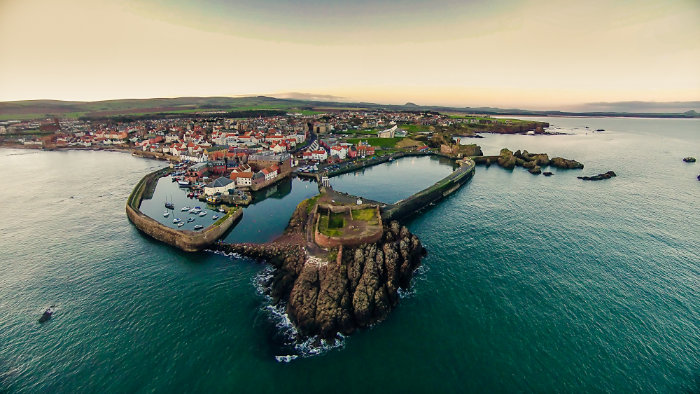
Dunbar Castle, Aerial View, Scotland

Featured

My Maternal 10th. Great Scottish Grandfather, Sir Kenneth MacKenzie, 1st. Baron of Kintail

Kenneth MacKenzie, 1st. Baron of Kintail

Name: Kenneth MacKenzie, 1st. Baron of Kintail

Birth: December 1572 in Kintail, Ross-shire, Scotland

Married: about 1586 in Ross-shire, Scotland to Lady Jane Anne Ross

Children: (5)

Lady Janet MacKenzie of Kintail 1586–1643 • MZWB-7PG​​

Colin Mackenzie 1st Earl of Seaforth 1589–1633 • LBRM-ZXP​​

Barbara MacKenzie of Seaforth 1592–1630 • M3FZ-971​​

Lady Sibella Elizabeth MacKenzie of Kintail 1599–1647 • K851-WK3​​

Simon Mackenzie of Lochalyne or Lochslinn or Lochallin 1600–1665 • LRQY-52H

Death: 27 February 1611 in Seaforth Castle, Chanonrie, Ross-shire, Scotland

Burial: 28 April 1611 in Fortrose Cathedral, Fortrose, Ross-shire, Scotland

Note: In 1595, was made hereditary constable of the Bishop of Ross’s castle [Seaforth]. Was a privy councillor in 1595/6 and 1602. Was justice of the peace in Inverness, Cromarty, Elgin, Fife, and Nairn. Was created Lord Mackenzie of Kintail on 17 Nov 1609. In 1610, was given a commission to attack Neil McLeod and the Isle of Lewis, afterward receiving Lewis as a free barony. Died 27 Feb 1611 aged 42. From an old manuscript belonging to the Kirk Session of Inverness: “Upon the penult day of February 1611 My Lord Mackenzie died in the Chanonrie of Ross [Seaforth Castle] and was buried 28th April anno foresaid in the Chanonrie Kirk with great triumph.”
(Sources: Cracroft’s Peerage; Mackenzie, Alexander. History of the Clan Mackenzie. Inverness, 1879. 167.)

Kenneth MacKenzie, 1st. Baron of Kintail
BIRTH December 1572
Kintail, Ross-shire, Scotland
DEATH 27 Feb 1611
Seaforth Castle, Chanonrie, Ross-shire, Scotland
BURIAL 28 April 1611
Fortrose Cathedral
Fortrose, Highland, Scotland
MEMORIAL ID 192787470

findagrave.com
Featured

My Maternal 9th. Great Scottish Grandmother, Sibella Elizabeth MacKenzie, of Kintail

Eilean Donan Castle, Argyll, Scotland

Name: Sibella Elizabeth MacKenzie, of Kintail

Born: 1599 in Kintail, Ross-shire, Scotland

Married: about 1615 in Ross-shire, Scotland to Iain Mor “John” MacLeod

Children: (11)

Mary MacLeod of Dunvegan 1615–1710 • LKS3-YQC​​

Janet Macleod 1626–1740 • KP7G-5TW​​

Malcolm Macleod 1627–Deceased • MPZX-QLK​​

Marion MacLeod 1629–1710 • L1M3-2QD​​

Roderick MacLeod 17th. Laird 1635–1664 • G4RK-198

Sibylla MacLeod 1635–1682 • 2H6C-74P​​

Juliana Giles MacLeod 1636–1680 • K8ZX-J87

John Iain Breac MacLeod 18th Chief 1637–1693 • L5FN-HJ7​​

Margaret MacLeod 1639–1670 • GM1Z-CKS

Alexander Macleod 1641–1688 • KZYY-7XR​​

John Garbh MacLeod 1645–Deceased • MPJX-P52

Died: 1647 in Kintail, Ross-shire, Scotland

Buried: 1647 in Ross-shire, Scotland

Kintail, Ross-shire, Scotland

Featured

My Maternal 9th. Great Grandmother, Catherine MacKenzie Ross

Clan MacKenzie, Eilean Donan Castle, Scotland

Clan History:

The Mackenzies were once the most powerful clan in the north of Scotland. They got to the top by acting as Royal agents for a succession of Scottish kings – being in effect the monarchy’s strong men in the north. Centuries of Royal patronage, intrigue and ruthless ambition eventually delivered the Mackenzies an empire that stretched from Scotland’s east coast to the Hebrides in the west. But the growth of Mackenzie power nearly always came at the expense of other clans – especially the Macleods of Lewis.

Back in the early 1600s, Lewis along with many other Hebridean islands, was considered almost ungovernable; and the Macleods were a particular thorn in the side of King James 6th, who was desperate to pacify this turbulent part of his kingdom. James VI had a passionate dislike for Highlanders and for Gaelic culture. He saw them as mad, bad and barbarous: the very antithesis of civilised society. But because of the remoteness of the Highlands from the Government in Edinburgh, the king was forced to use clans with influence to exercise Royal authority.

So it was with Royal blessing that Chief Colin MacKenzie, invaded Lewis with an army of 700 clansmen. Determined to grab Macleod lands, Colin MacKenzie went on a bloody rampage, sweeping all before him in a vicious campaign. The war waged by the invading Mackenzies forced the Macleods to retreat to their fortress on the rocky island of Bearneray. No doubt they felt safe here. Bearneray had withstood many sieges, but the MacKenzie clan chief was ruthless as well as wily.

Not all the Macleods had been able to reach the safety of the fortress, and Colin MacKenzie now saw his opportunity. The Macleod stragglers included women and children. Mackenzie herded these unfortunates together and rowed them out to a rocky island not far from the fortress of Birsay. Here they were abandoned to the incoming tide.

Of course, the Macleods, who could see what was happening from their fortress were faced with a stark and terrible choice. They could either abandon their position and save their loved ones, or could watch them drown. And as the cries of their wives and children grew louder and louder, they were really faced with no choice but to surrender to the MacKenzies who went on to dominate the whole of Lewis.

Loyalty to the Stuart monarchy seems to have been the default position of the chiefs of the MacKenzie clan. They supported Mary Queen of Scots in her short and troubled reign, and became fervent Jacobites after the Stuart dynasty was forced into exile in 1688. As a consequence, the crown forfeited Mackenzie estates after the failed Jacobite rebellion of 1746. Thereafter, a period of reconciliation ensued, followed by cultural assimilation, which saw the once proud Mackenzie chiefs become British aristocrats.

http://www.greatscottishclans.com/clans/mackenzie.php
Eilean Donan Castle at dusk. Photo by Syxaxis Photography

Clan Mackenzie (Scottish Gaelic: Clann Choinnich[ˈkʰl̪ˠãũn̪ˠ ˈxɤɲɪç]) is a Scottish clan, traditionally associated with Kintail and lands in Ross-shire in the Scottish Highlands. Traditional genealogies trace the ancestors of the Mackenzie chiefs to the 12th century. However, the earliest Mackenzie chief recorded by contemporary evidence is Alexander Mackenzie of Kintail who died some time after 1471. Traditionally, during the Wars of Scottish Independence, the Mackenzies supported Robert the Bruce, but feuded with the Earls of Ross in the latter part of the 14th century. During the 15th and 16th-centuries the Mackenzies feuded with the neighboring clans of Munro and MacDonald. In the 17th century the Mackenzie chief was made Earl of Seaforth in the peerage of Scotland. During the Scottish Civil War of the 17th century the Mackenzies largely supported the Royalists. During the Jacobite rising of 1715 the chief and clan of Mackenzie supported the Jacobite cause. However, during the Jacobite rising of 1745 the clan was divided with the chief, Kenneth Mackenzie, Lord Fortrose, supporting the British-Hanoverian Government and his relative, George Mackenzie, 3rd Earl of Cromartie, supporting the Jacobites.

Clan Territory:

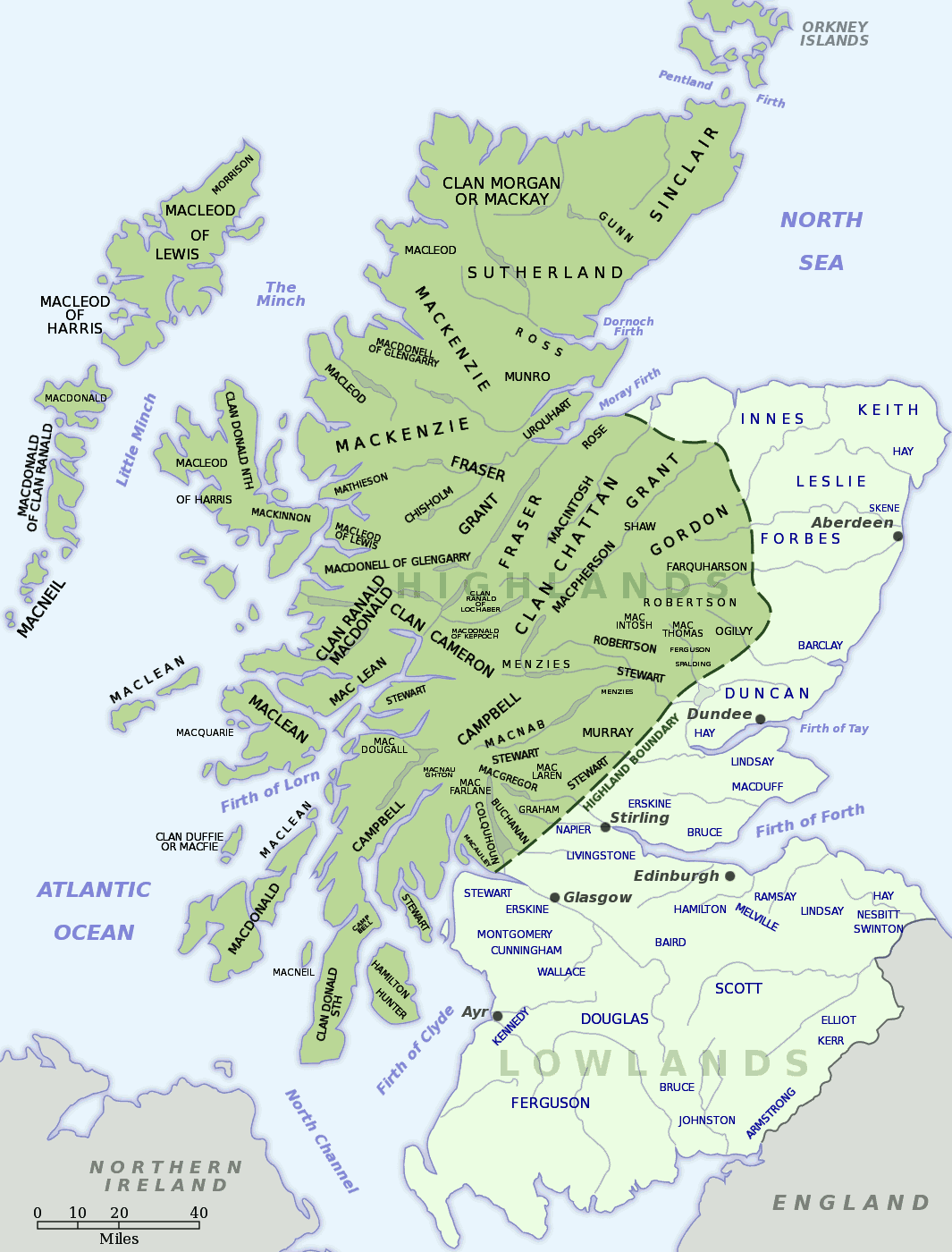
At the height of their influence, the chiefs of the Mackenzie clan lead the 4th most powerful clan in Scotland. Their lands extended from the Island of Lewis in the west, though to Ross on the east coast of the mainland.

Clan Chief:Traditionally, MacKenzie of Seaforth, chief of the clan, was known as ‘Caberfeidh’, meaning deer’s antlers. The direct male line of the Mackenzie chiefs became extinct after the death of Francis Mackenzie Humberston in 1815 – the last Mackenzie Lord Seaforth. The Brahan Seer famously foretold the tragic circumstances of his death two centuries earlier. He predicted that the last of the chiefs would die a deaf mute. Mackenzie, whose sight and hearing were destroyed by scarlet fever, eerily fulfilled the ancient prophecy. He outlived his four sons, and the direct line died out.In 1979, Roderick Grant Francis Blunt-Mackenzie, 4th Earl of Cromartie legally changed his surname to Mackenzie and was appointed chief of Clan Mackenzie by the Lord Lyon King of Arms. Although not descended from a Mackenzie in the male line, he inherited his titles through his mother who was distantly related to the old Mackenzie Lords of Seaforth.

source: http://www.greatscottishclans.com/clans/mackenzie.php

Name: Catherine MacKenzie (1559-1592) was born in Cromarty, Ross & Cromarty (modern day: Highlands), Scotland to parents Sir Kenneth Mackenzie, 10th Baron of Kintail (1513-1568; F.A.G. #123961265) and Lady Elizabeth (Isabel) Stewart (1513-1567; F.A.G. #169151947).

Married: James Ross (1555-1582; F.A.G. #169150392) in abt 1575 in Scotland

Children: (2) Peter Ross (1575-1659; F.A.G. #163278477) , Gilbert Ross (1575-1637)

Died: 12 April 1592 in Cromarty, Cromartyshire, Scotland

Buried: 1592 in Cromartyshire, Scotland

My Maternal 14th. Great Grandfather, Sir Kenneth MacKenzie, 7th. Laird of Kintail

Sir Kenneth MacKenzie, Beauly Priory, Inverness-shire, Scotland, 7th. Laird of Kintail, 1492

Sir Kenneth MacKenzie, traditionally reckoned 7th. of Kintail and nicknamed Coinneach a’bhlair (or “Kenneth of the Battle”), was a Highland chief, being head of the Clan MacKenzie.

Kenneth was the eldest son of Alexander MacKenzie of Kintail (d.1488). The weight of traditional clan histories identifies Anna MacDougall as his mother, but this is rendered difficult by Alexander’s supplication for dispensation in 1466, which recorded that he, Alexander, had been married for about thirty years to “Catherine, daughter of John, son of Ranald”. Although traditionally identified as the 6th. chief of the Kintail line, Kenneth was in fact only the second (after his father) of whom incontrovertible contemporary evidence survives.

Kenneth had a tack from the Crown before 1479 of Ardovale (Ardival), near Strathpeffer, and appears repeatedly in records as refusing to pay the fermes (feudal payments) for his land and defying the Crown’s officers. In 1486 he also had a charter from the Earl of Ross of the lands of Meyne, the two Scatwells (Meikle and Little), Innermany (Invermeinie), Inverchoran, and Kinloch Beannacharain.

At some point between 1485 and 1491, Kenneth led a force of MacKenzies to victory over Alexander MacDonald of Lochalsh at the Battle of Blar Na Pairce.

He was served heir to his father in the lands of Kintail on 2 September 1488, at Dingwall, but died less than four years later on 7 February 1492. He was buried at Beauly Priory, where his tomb may still be found.

The inscription carved in the stone of the tomb of Sir Kenneth MacKenzie of Kintail reads: hic . iacet . kanycus . mkynych . dns . de . kyntayl . qi . obiit . vii . die . februarii . ao . di . / m cccc . lxxxxi. (Here lies Kenneth MacKenzie Lord of Kintail who died the 7th day of February, A.D.1491).

He married first Margaret MacDonald and later had a feud with a cousin of Margaret and returned her (she was blind in one eye) and he sent her mounted on a one-eyed horse accompanied by a one-eyed servant, followed by a one-eyed dog. She was in a delicate state of health, and this inhumanity grieved her so much that she never after wholly recovered. But he did have one son from her whom they named Kenneth.

It appears that Kenneth had no great affection for Lady Margaret, for a few days after he sent her away he went to Lord Lovat accompanied by two hundred of his followers and besieged his house. Lovat was naturally surprised at his conduct and demanded an
explanation, when he was informed by Kenneth that he came to demand his daughter Agnes in marriage now that he had no wife, having, as he told him, disposed of Lady Margaret in the manner already described. He insisted upon an immediate and favourable reply to his suit on which condition he promised to be on strict terms of friendship with the family ; but, if his demand was refused he would swear mortal enmity against Lovat and his house.

source: Wikipedia 

Name: Sir Kenneth MacKenzie, 7th. Laird of Kintail

Birth: 1454 in Cromarty, Ross and Cromarty, Scotland

Married: 1st. spouse in 1472 to Margaret MacDonald

Children: (1) Kenneth Og MacKenzie

2nd. spouse in 1479 in Inverness-shire, Scotland to Lady Agnes Fraser of Lovat

Children: (6) Agnes, Catherine, John, Alexander, Roderick, and Kenneth MacKenzie

Died: 7 February 1492 in Beauly, Inverness-shire, Scotland

Buried: 1492 in Beauly Priory, Beauly, Inverness-shire, Scotland

Kintail, Ross-shire, Scotland
Clan MacKenzie, Eilean-Donan Castle, Kintail, Ross-shire, Scotland

My Maternal 15th. Great Scottish Grandmother, Anna Margaret MacDougall (MacKenzie), Baroness of Kintail

Aerial shot of Castle Tioram, Loch Moidart, Scotland by Michael MacGregor

Clan MacDougall History

A Gaelic generalisation when describing the Viking invaders was by colouring, Finn Ghall for fair stranger and Dubh Ghall for a dark stranger. Dubh Ghall was the descriptive name given to the eldest son of King Somerled.

Somerled’s father-in-law was Olaf, King of man and when Somerled died in 1164 Dougall became senior King of Dalriada. Duncan MacDougall of Argyll was mentioned in records of 1244 so by this time the name had established into a clan.

Chiefs descending from Dougall built themselves the two great castles on the shores of Loch Linnhe in Lorne, Dunstaffnage and Dunollie. Also on the mainland they built Duntrune. On the islands they built Aros, Coeffin, Dunchonnel and Cairnburgh.

They also built Ardchattan Priory, burial ground of the MacDougall chiefs until 1737. It was Ewan who endorsed most of these constructions.

Ewan had chosen to keep his island possessions from his King in Norway and his properties on the mainland he tried to keep from the King of the Scots. When King Haakon of Norway arrived with a huge fleet off the coast of Oban for a planned invasion in 1263, Ewan declined to help but surrendered his islands to him. Scot Clans

Lady Anna Margaret MacDougall

Birth: 1410 in Skegirsta, Ross-shire, Scotland

Death: 1503 in Kintail, Ross-shire, Scotland

Immediate Family: Daughter of Iain (John) Keir MacDougall, 11th. of Dunollie & Lorn and Gyllis “Egidia” Campbell 

Wife of Alexander Mackenzie, 6th of Kintail Married: before 1454 in Scotland

Mother of Duncan Mackenzie, 1st of Hilton and Kenneth Mackenzie, 7th of Kintail

Sister of Iain MacDougall, Laird of Lorn and Alan MacDougall

Half sister of Alexander MacDougall, of Dunollie and of Lorn; Sir Archibald Douglas of Cavers, Kt.; daughter of William Douglas of Cavers and Margaret

Added by: Roderick Brown on May 1, 2007

Managed by: Roderick Brown and 22 others  

Source: geni.com

MacDougall_Crest
MacDougall-tartan
MacDougall-scottish-clans-scotland